
Using Gravel and Heather to Create a Heath-Style Garden
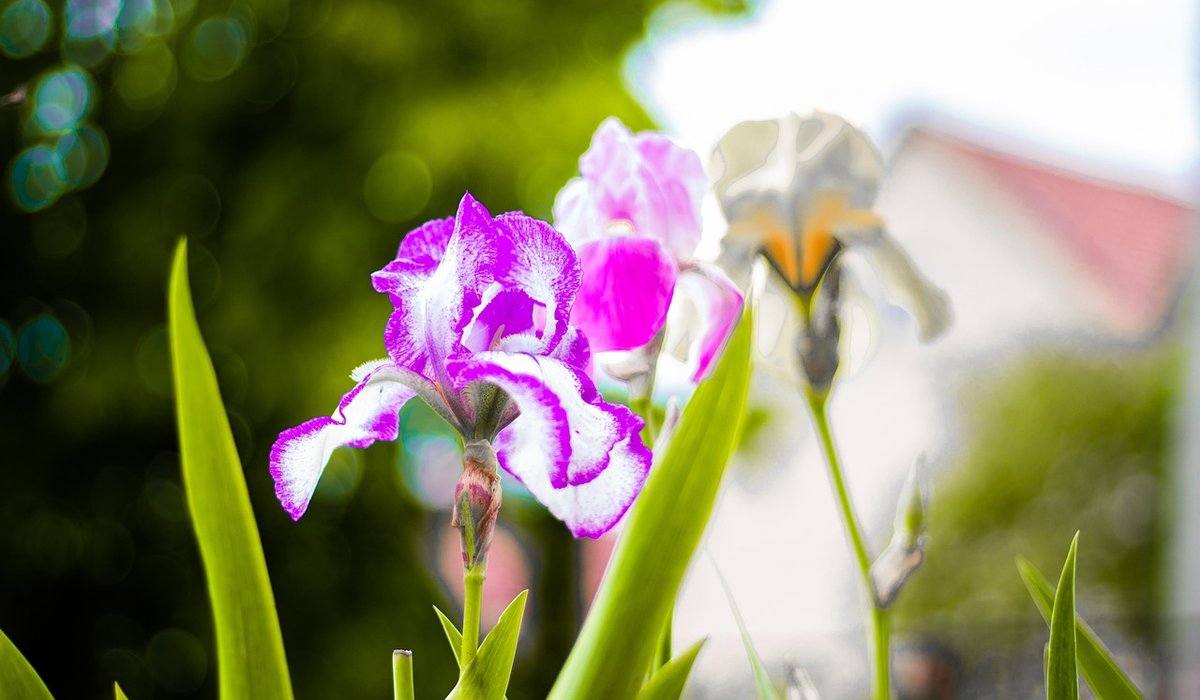
There is something quietly magnificent about heathland: the low, rolling carpet of colour, the rasp of wind through heather, the sense that the landscape has been shaped by weather, grazing and time rather than by careful design. You can borrow that feeling for a garden, and you do not need acres to do it. A sunny, free-draining corner, a load of gravel and a handful of well-chosen plants will get you most of the way there. The best part? Once it is established, a heath-style garden asks for very little water and even less fuss.
Why Heathland Suits British Gardens
Heathland developed on thin, acidic, nutrient-poor soils — sandy heaths in Surrey, the moors of Yorkshire and Scotland, the coastal heaths of Cornwall. Plants that thrive there evolved to cope with drought, wind and starvation. That makes them genuinely useful in a British garden, particularly on sandy or gravelly ground where richer plants sulk.
The practical advantages are considerable:
- Established heathers and their companions tolerate dry summers far better than most herbaceous borders.
- Low, dense growth shades out weeds once the canopy closes.
- A gravel surface warms quickly in spring and reflects light, extending the season's warmth.
- Maintenance is largely a single annual cut rather than weekly deadheading.
The one non-negotiable is drainage. Heather roots rot in waterlogged ground, so if your soil sits wet through winter, either improve it ruthlessly or plant into a raised mound.
Building the Right Ground
Before you buy a single plant, sort out the soil. Most heathers want a pH between about 4.5 and 5.5, so a cheap soil-test kit is money well spent. If your reading comes back alkaline, you have two options: grow the lime-tolerant winter heathers instead, or create pockets of ericaceous ground.
For a genuine heath feel, work in plenty of organic matter that acidifies as it breaks down — composted bark, leafmould from oak or beech, or well-rotted pine litter. Avoid mushroom compost and anything limy. Then add grit.
On heavy clay, the most reliable approach is a raised mound 30–45cm deep, built from roughly half good topsoil, a third horticultural grit, and the rest composted bark. On already sandy ground you may only need to fork through grit to open it up. Aim for a surface that drains within an hour of heavy rain.
Choosing Heathers and Heathland Companions
Heather is the backbone, but a monoculture looks flat. Mix the three main types so something is in flower for most of the year.
- Winter heather (Erica carnea) — flowers from January to April in pinks, whites and deep reds. Tolerant of slightly less acidic soil than the others.
- Bell heather (Erica cinerea) — vivid magenta and purple from June to September. Compact and wonderfully drought-proof.
- Ling (Calluna vulgaris) — the classic late-summer heather, running from white through pink to deep purple into autumn, with foliage colours from gold to near-black.
For a wilder, more naturalistic look, add a few pieces of damp-loving heath edge: cross-leaved heath (Erica tetralix) if you have a slightly wetter hollow, and purple moor-grass for movement.
Then scatter in the wildflowers that share the same ground: sheep's sorrel, tormentil, wild thyme, harebell, heath bedstraw, wood sage and bilberry. Grasses such as sheep's fescue and wavy hair-grass knit everything together without crowding. Foxgloves will seed themselves into gravel with pleasing enthusiasm — leave a few, pull the rest.
Planting Through Gravel
Gravel is the finishing touch and the workhorse of the whole scheme. It suppresses weeds, keeps the crown of the plants dry, and gives that pale, open, heathland light. Use an angular 6–10mm aggregate — granite, slate or sandstone chippings all work well. Avoid anything limy, and avoid round pea gravel, which migrates and looks fussy.
Plant in autumn or early spring, when the soil is moist but not cold. Space heathers about 30–40cm apart; they will close ranks within three seasons. Set each plant so the base of the stem sits just above soil level, never buried. Water them in, then spread gravel 5–8cm deep across the whole area, keeping it clear of the stems themselves.
Skip weed-suppressing membrane across the planting area if you want foxgloves and sorrel to self-seed. It is worth using under any gravel path, though, where self-seeding becomes a nuisance.
Watering, Cutting and Keeping the Look
In the first two summers, water new plantings deeply every ten days or so during dry spells — a good soak rather than a daily sprinkle. After that, established heathers need almost nothing. Water in the morning where you can, and keep water off the foliage in the evening.
Never feed a heath garden. Rich soil produces floppy, short-lived heather and a forest of weeds. The annual cut is the main job:
- Trim Calluna and Erica cinerea in spring, once the risk of hard frost has passed.
- Cut back to just below the spent flower spikes — into the old woody base and the plant may not reshoot.
- Trim Erica carnea immediately after flowering, usually in April.
- Rake off the cuttings; a build-up of thatch smothers the crowns.
Every few years, cut a small patch back hard on rotation to encourage fresh growth, mimicking the grazing that keeps real heathland young.
Dye Plants from the Heath Garden
This is where a heath-style garden earns its keep beyond looks. Heather is a traditional dye plant across Scotland and Ireland, and a gravel bed gives you clean, dust-free material to harvest.
- Heather tips and flowers — with an alum mordant they give soft yellows and greenish golds; add iron and the colour deepens to olive, moss and near-black.
- Heather roots — long valued for warm reddish-browns, though digging them up defeats the purpose, so stick to tops and clippings.
- Tormentil roots — a classic source of red-brown and rusty orange.
- Gorse flowers — bright, sunny yellows, harvested in spring.
- Bilberry — leaves and berries give purples and blues, though they are fugitive and better used fresh.
Harvest lightly, never more than a tenth of any clump, and take your annual heather trimmings straight to the dye pot rather than the compost heap. Simmer the plant material for an hour, strain, then add your pre-mordanted wool or linen and hold it at a gentle heat until you are happy with the shade.
A heath garden is slow to settle and then remarkably self-reliant: a few days of planting and gravel-spreading, one cut a year, and a summer of colour that doubles as a dye cupboard. Give it sun, sharp drainage and patience, and it will reward you for decades.


Grasses add movement and structure to wildflower plantings. Discover combinations that look natural, support insects and suit different soil types.
Scouring and mordanting help dye bond evenly to wool, silk and other protein fibres. Follow safe methods for clearer, longer-lasting colour.
Modifiers can shift natural colours dramatically, but they need careful handling. Learn how iron and copper affect tone, depth and fibre condition.
Homegrown dyes vary with soil, weather and harvest time. Keep records, measure plant material and control temperatures to repeat successful results.