
Visiting Heathland Responsibly During Bird Nesting Season
Why Heathland Matters in Spring and Summer
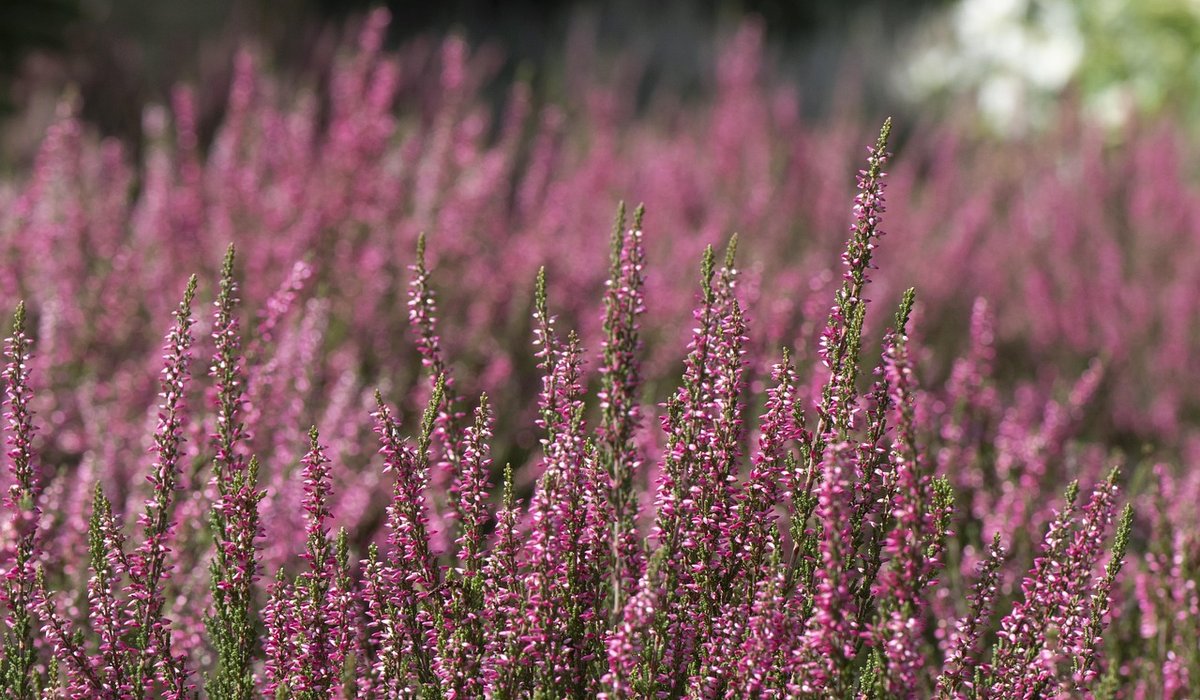
Heathland is one of Britain’s rarest habitats, covering less than a fifth of its historic range. It is a mosaic of dwarf shrubs—heather, gorse, bilberry—and open sandy or peaty patches. These spaces are vital for ground-nesting birds such as the nightjar, woodlark, Dartford warbler, skylark, meadow pipit and stonechat. From March to August, these birds lay eggs directly on the ground, often hidden among heather or bare soil. A single disturbance can ruin a whole breeding attempt, which is why responsible visiting during nesting season is so important.
The Hidden Vulnerability of Ground-Nesting Birds
Ground-nesting birds rely on camouflage and stillness. Their eggs and chicks blend perfectly with the surrounding vegetation, but that also means they cannot easily flee. If you walk too close, a parent bird may flush—leaving the nest in a panic. That exposes eggs to cold, rain and predators such as crows, foxes and uncontrolled dogs. Some species, like the nightjar, will abandon a nest if disturbed repeatedly. Even a brief intrusion can be fatal. Dogs off leads are a particular problem: a curious spaniel or lurcher can scare a bird off its nest without meaning any harm. Trampling also crushes eggs, chicks and the fragile mosses and lichens that take decades to recover.
Practical Ways to Visit Responsibly
You can still enjoy heathland in spring and summer—just do it with care. Follow these specific steps:
- Keep to marked paths and trails. Do not cut across heather, grass or bare ground, even if a shortcut looks tempting. Nesting birds can be just a foot from the path edge.
- Control your dog. Use a short lead (no more than two metres) and keep your dog close, especially near dense vegetation or open sandy patches. If your dog has a strong prey drive, avoid heathland altogether during peak nesting months.
- Avoid sensitive areas from April to July. This is when most ground-nesting birds are incubating or feeding chicks. If a site has signed restrictions, respect them.
- Watch for alarm behaviour. If a bird flutters away low and slow, feigns a broken wing, or calls sharply, you are too close. Back away quietly and retrace your steps.
- Leave no trace. Take all litter home, including fruit peel and dog poo bags. Do not light fires or use drones, which cause additional stress.
- Stay low and quiet. If you must pass near a thicket, speak softly and move steadily. Sudden movements or loud voices can flush birds from nests.
What This Means for Wildflower Gardeners and Natural Dyers
As lovers of British wildflowers, we are often drawn to heathland plants for natural dyeing. Heather yields soft greens and browns, gorse flowers give a bright yellow, and tormentil roots produce rich reds. But wild foraging during nesting season is harmful—both to birds and to the fragile plant communities. Instead, grow heather and gorse in your own garden. They thrive in acidic, sandy soil and provide you with dye material from prunings after flowering. You can also source dye plants from sustainable cultivated suppliers. Enjoy heathland colours with your eyes, not your scissors. The same patience you show in your dye pot—respecting slow, natural cycles—applies to these wild spaces.
If You Find a Nest or a Distressed Bird
Accidents happen, but you can minimise harm. If you stumble upon a nest, do not touch the eggs or chicks. Keep your distance and use binoculars to observe. If a chick is on a path and in immediate danger, you may gently move it to nearby cover, but only as a last resort—otherwise leave it alone. Parent birds often return once you are gone. If you find an injured bird, contact a local wildlife rescue. Report any deliberate disturbance to the land manager, such as a Wildlife Trust, National Park authority or local council. Remember that many heathlands are protected as Sites of Special Scientific Interest (SSSIs) or Special Protection Areas (SPAs), and disturbing nesting birds can be a legal offence.
A Shared Responsibility for Heathland’s Future
Heathland is slow to heal. A single footprint in fragile lichen can last for years, and repeated trampling turns diverse habitat into bare, compacted ground. By staying on paths and keeping dogs under control, you help ground-nesting birds raise their young. You also protect the wildflowers that inspire our gardens and dye pots. Visit in late summer or autumn to see heather in full bloom, or to collect seeds ethically with the landowner’s permission. Let’s enjoy heathland with care, so it remains a haven for wildlife—and a source of quiet wonder—for generations to come.


Recreate the open feel of heathland with gravel, low shrubs and subtle colour. This approach suits sunny, free-draining sites and needs modest watering.
Acid-loving plants in pots need careful choices about material, size and drainage. Learn how to keep ericaceous compost healthy in small spaces.
Grasses add movement and structure to wildflower plantings. Discover combinations that look natural, support insects and suit different soil types.
Scouring and mordanting help dye bond evenly to wool, silk and other protein fibres. Follow safe methods for clearer, longer-lasting colour.