
Identifying Common British Wildflowers on Country Walks
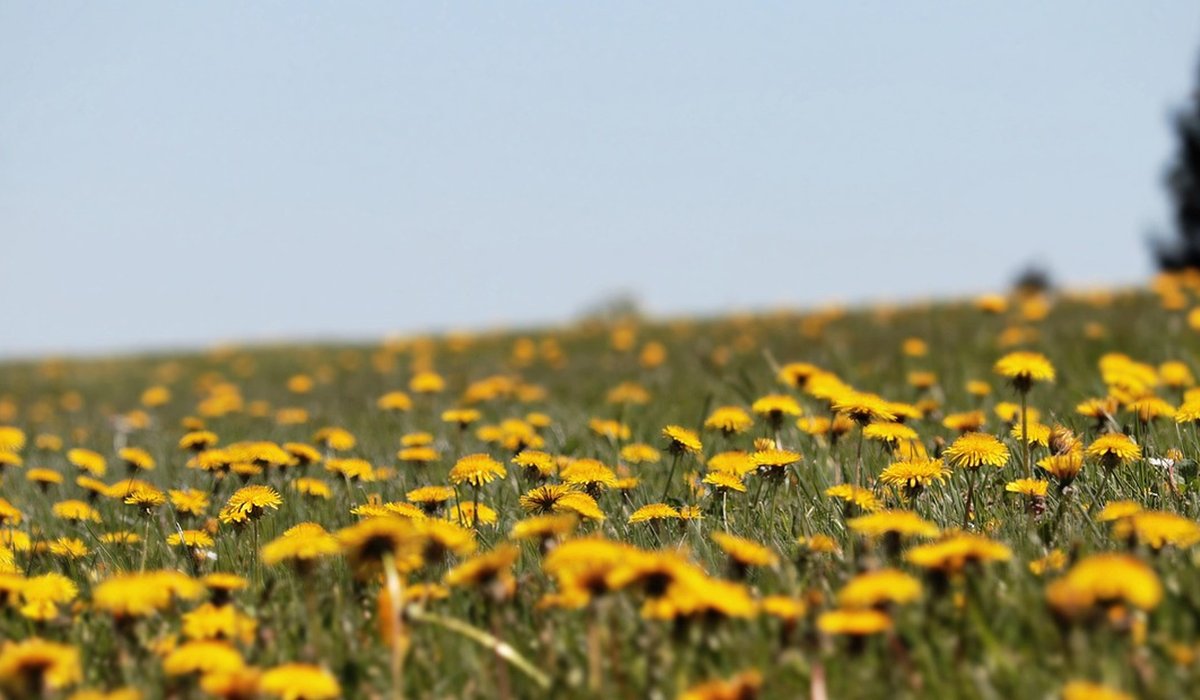
Start with the Right Frame of Mind
A mile of unspoilt verge in June can hold two dozen flowering species, and learning to read them properly turns a walk into something closer to a conversation. Before you set off, kit up lightly: a hand lens (a 10x is plenty), a notebook, and a field guide you actually enjoy opening. Look at the whole plant rather than the flower alone — leaves, stem, hairs, scent and seed heads all carry as much information as the petals.
Please don't pick from the wild. Under the Wildlife and Countryside Act 1981 it is an offence to uproot any wild plant without the landowner's permission, and roadside colonies and nature reserves deserve to be left intact. Photograph what you find, note the date, then grow the species at home if you want it for the dye pot. As a rule, aim to identify a plant with three separate features rather than one.
Late Spring: The White Umbel Puzzle
Cow parsley (Anthriscus sylvestris) froths along hedgerows from April to June. Its stems are hollow, finely ridged and distinctly hairy, and the fern-like leaves smell of aniseed or carrot when crushed. Every beginner confuses it with something dangerous, so learn the differences early.
- Hemlock has a smooth, hairless stem marked with purple blotches — cow parsley stems never look like that.
- Fool's parsley smells unpleasant and carries three long, narrow bracts drooping beneath each flower umbel.
- Hemlock water-dropwort prefers wet ditches and has flatter, looser heads of flowers.
Across the same verge you'll meet red campion (May to September), with five deeply notched pink petals on hairy stems — the male and female flowers sit on separate plants. Ragged robin is its damp-ground cousin, with petals cut into four narrow lobes rather than two.
High Summer: Daisies and Thistle-Like Flowers
Ox-eye daisy (May to September) is the great meadow signpost: one large white flower per unbranched stem, and a rosette of spoon-shaped, toothed leaves at the base. Scentless mayweed looks similar but branches freely, has finely divided feathery leaves and no smell; true chamomile has a hollow cone-shaped receptacle and a strong apple scent.
Common knapweed (June to September) fools people into thinking "thistle", but its leaves are soft and spineless. The flowerhead sits on a swollen green-brown knob of overlapping bracts, with purple florets opening like a shaving brush. Greater knapweed is larger with rayed outer florets and favours chalk, while creeping thistle will prick you.
Field scabious (June to September) offers lilac pincushion heads on hairy stems with lobed opposite leaves. Small scabious is neater and more rounded; devil's-bit scabious belongs in damp ground and holds a single head per stem.
Yellow Composites: Telling Dandelions from Relatives
Almost every yellow daisy gets called a dandelion, which is a shame, because the differences are clear once you know what to check.
- Dandelion — hollow, unbranched stem, milky sap, all leaves in a basal rosette, one flower per stem.
- Cat's ear — solid wiry stems that branch, each flower stalk bearing a small scale-leaf, and very hairy leaves. Flowers later, into autumn.
- Hawkbit — unbranched hairy stems and a distinctive hourglass silhouette once the seeds form.
- Hawkweeds — a genuine nightmare of hundreds of microspecies. Note it as "hawkweed" and walk on happily.
Yarrow (June to August) isn't a daisy at all, but its flat cream heads and feathery leaves make it unmistakable — and it's one of the best yellow dyes in a British dye garden.
Damp Ground: Meadowsweet and Its Neighbours
Meadowsweet (June to September) fills wet ditches with creamy froth, reddish stems and leaves that are silver beneath and smell sweetly of almond. Dropwort is its dry-chalk twin, shorter and less frothy. Meadowsweet is a superb dye plant: flowering tops with an alum mordant give soft yellow-green, while an iron dip turns them deep charcoal-brown. It grows happily in any damp corner of a garden.
Purple loosestrife (July to September) raises pink-purple spikes over lance-shaped, stalkless leaves in wet ground. Don't confuse it with rosebay willowherb, which is taller, grows on drier disturbed ground and releases windswept white seed fluff. St John's wort (June to September) has five yellow petals and leaves dotted with tiny translucent holes — hold them to the light. Its flowering tops dye wool a fine gold, and an oil infusion turns a startling red. Lady's bedstraw (June to September) scrambles with thin square stems and whorled leaves that smell of new hay; its roots give red, and its tops yellow-olive.
From Verge to Garden Bed and Dye Pot
The most responsible way to dye with wildflowers is to grow them. Ox-eye daisy, common knapweed, field scabious, yarrow, meadowsweet and lady's bedstraw all establish readily from seed. Most need a cold spell to germinate, so sow in autumn either in trays left outdoors or directly onto bare, weed-free ground. Chalk grassland species want sun and lean soil — skip the fertiliser, or you'll get leaves instead of flowers. A scattering of yellow rattle in a grassy patch will weaken the grass and let wildflowers through.
For dyeing, mordant your fibre first: roughly 10–15% alum by fibre weight, simmered and left to cool. Iron water darkens and "saddens" colours, so use it sparingly. Simmer your plant material for an hour, strain, add damp fibre and hold at a gentle simmer for 45–60 minutes, then leave overnight. Keep dye pans strictly separate from cooking pans, label your skeins with the plant, date and mordant, and always test on a small sample before committing a whole fleece. Take only abundant material from the wild, never roots — and leave the rest for the bees.


Heathers evolved for poor, acidic ground and plenty of light. Understand their needs before planting them in a garden or restoration project.
Local seed helps preserve the character of a heathland site. Find out how to collect, store and sow provenance seed for small-scale restoration work.
With careful selection, heathers can provide flower and foliage interest across seasons. Choose varieties suited to your soil and available sunlight.
Ground-nesting birds are vulnerable in spring and summer. Keep to paths, control dogs and avoid disturbing fragile heathland vegetation during nesting months.