
Restoring Small Heathland Patches with Local Provenance Seed
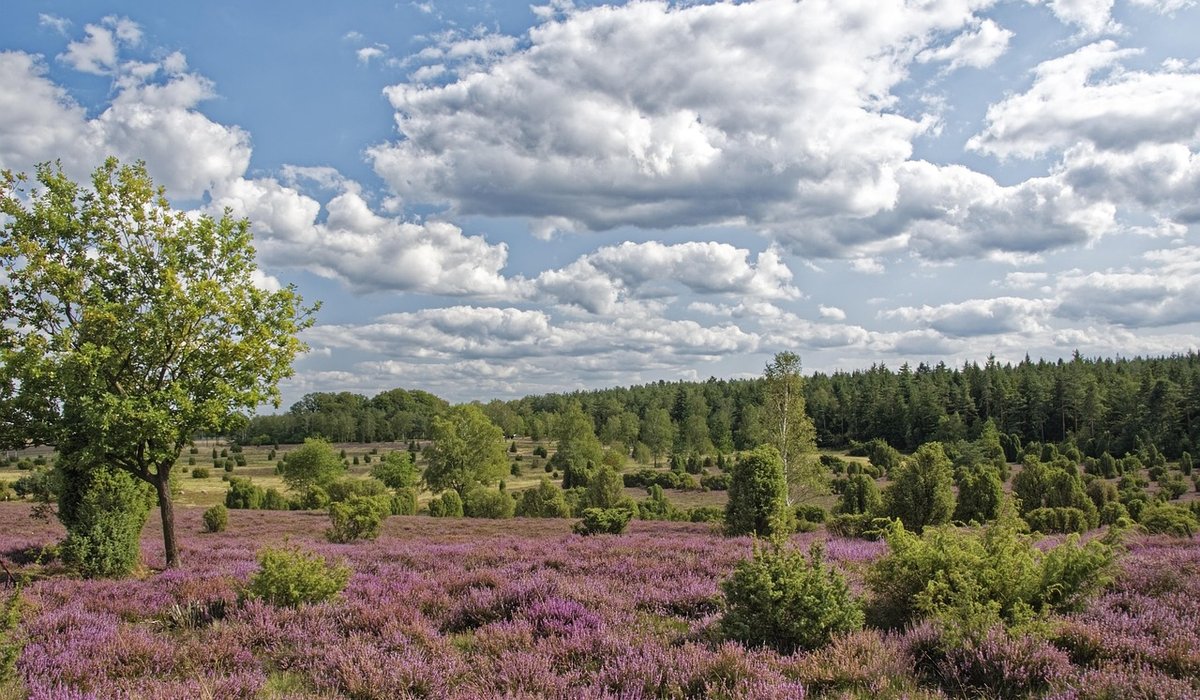
Why Provenance Seed Belongs on a Heath
Local provenance simply means seed collected from plants that already grow on, or very near, the ground you intend to restore. On a small heathland patch — a rough corner of a garden, a wide verge, a cleared ride through scrub — it is the single most useful habit you can adopt. Heather, bell heather, cross-leaved heath, tormentil and the fine bent grasses have spent centuries sorting themselves out for your soil, your rainfall and your grazing pressure. Seed from a distant supplier may germinate perfectly well, but it can flower at the wrong moment, or fail to set seed in a shorter northern season.
There is a dyer's reason too. Heather tops gathered in late summer give soft golds and olive-browns on wool with an alum mordant, and tormentil root — one of the old red dyes — belongs to heathland and is almost impossible to buy. Raising your own provenance stock keeps both the ecology and the dyepot honest.
Walk the Site Before You Collect Anything
Spend a season looking before you take a single seed. Learn which species are already present and where they are thriving. Note the patches of bare, mineral soil — heather seed establishes best on open ground, not into thick matted litter — and record the dates when each species flowers and sets seed locally, because your site will run a fortnight or so ahead of the books.
- Check permission first. Seed collection needs the landowner's consent, and you should avoid designated sites such as SSSIs, nature reserves and common land without written agreement.
- Choose donor plants carefully. Collect only from large, healthy populations, never from a handful of isolated plants.
- Record as you go. A note of species, date and grid reference is worth more than you think three years later.
Collecting Without Harming the Donor Patch
Heather is the starting point for most small restorations. Its capsules ripen from late August into October, turning from green through grey-brown. Test by tapping a flowering spike over your palm: if small dark seeds fall freely, it is ready. Cut the top few centimetres of flowering shoots into a paper bag, or bend the stems over a bag and shake.
Take no more than a tenth of the seed from any one clump, and leave the strongest plants completely alone. Paper bags, never plastic — plastic sweats and the seed moulds within days. The same technique works for cross-leaved heath and bell heather, while tormentil, sheep's sorrel and the grasses are best gathered by gently stripping ripe seed heads between finger and thumb once they have turned straw-coloured. A pair of sharp scissors and a permanent marker are the whole kit.
Drying, Cleaning and Storing
Spread each collection thinly in a shallow paper tray or open envelope in a dry, airy room out of direct sun. Turn it daily for a week or two until it rustles rather than clumps. Then clean it roughly: rub the dried material between your hands and pass it through a coarse kitchen sieve, blowing gently to winnow away the chaff. A little chaff does no harm at sowing time.
- Store in paper envelopes labelled with species, site and date, kept cool, dark and dry.
- Sow heather within twelve months. Its seed loses viability quickly, so autumn sowing in the year of collection is ideal.
- Never bury it deeply. Many heathland species need light to germinate; a bare scatter is enough.
Sowing and the First Two Seasons
Prepare by clearing bracken litter, grass thatch and moss to expose bare soil, scratching the surface with a rake or fork. Broadcast your seed thinly — a pinch to the square metre is plenty — and press it in by treading or rolling. A light rake afterwards, no more than a few millimetres deep. If you have access to cut heather brash from a donor patch, laying it upside down over the bare ground and shaking it works well alongside seed.
Autumn sowing mirrors nature and lets winter frost work the seed into contact with the soil. Protect the patch from rabbits with a low temporary fence, keep an eye on slugs in a wet spring, and water only if the first summer turns genuinely parched. Expect little in year one beyond a green fuzz. Year three is when the heather begins to knit.
Patience, Aftercare and a Dyer's Harvest
Heather grows only a few centimetres a year, and a young patch will not flower properly for three to five years. In the meantime, the work is mostly subtraction: cut back birch and pine seedlings, pull bracken rhizomes before they spread, and keep grazing light and continuous if you can. Never feed the patch — heathland plants want poor, acid, hungry ground, and fertility brings only grass and weeds.
Once established, you can take a modest dye harvest in late summer without undoing your work: heather tops for golds and khakis, tormentil root sparingly for reds and russets, heath bedstraw root for a madder-like tone. Gather lightly, leave the flowering heads that will seed the next generation, and keep notes on what the site gives you. A restored heath is a slow project, but it is one that repays you twice over — in colour, and in the quiet return of everything that belongs there.


Ground-nesting birds are vulnerable in spring and summer. Keep to paths, control dogs and avoid disturbing fragile heathland vegetation during nesting months.
A native border can be colourful, tidy and rich in wildlife. Combine flowers, grasses and shrubs that provide food and shelter through the year.
Recreate the open feel of heathland with gravel, low shrubs and subtle colour. This approach suits sunny, free-draining sites and needs modest watering.
Acid-loving plants in pots need careful choices about material, size and drainage. Learn how to keep ericaceous compost healthy in small spaces.