
Planting Heathers for Year-Round Colour in Gardens
Why Heathers Deserve a Place in British Gardens
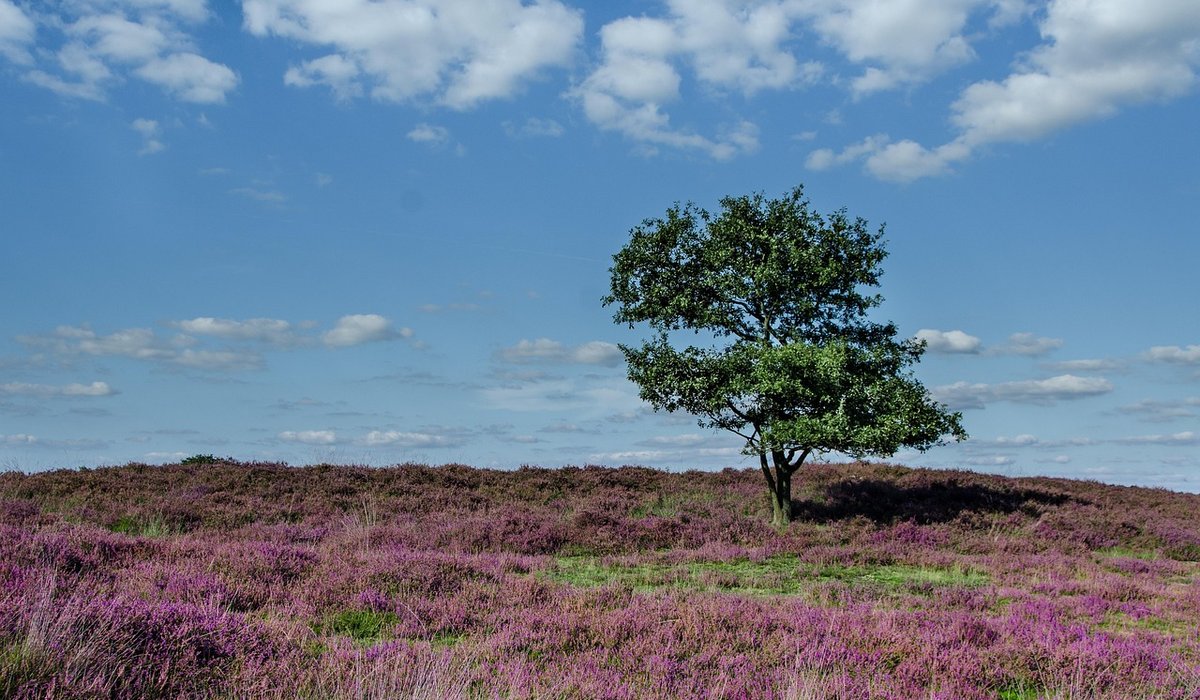
Few plants earn their keep as reliably as heathers. Walk across a moor in August and you see the purple wash of common heather; return to the same spot in January and the landscape is still coloured — russet, gold, bronze and grey-green. That same year-round presence is possible in a garden of almost any size, as long as you choose the right varieties for your soil and light.
Heathers are wonderfully undemanding. They tolerate wind, poor ground and drought once established, they knit together to suppress weeds, and they offer late-season nectar when bees and butterflies are running short. With a little planning, you can have something in flower every month of the year — and, if you also dye with plants, a harvest of flowering tips that yields soft yellows, olive greens and warm browns.
Start with Your Soil
This is the decision that makes or breaks a heather patch. Most species need acid soil, so check your pH before buying anything. Kits cost a few pounds, or simply look at what grows nearby: rhododendrons, bilberry and healthy oak woodland suggest acid conditions, while a thriving lime-loving lawn or chalky soil suggests the opposite.
- Acid to neutral (pH 4.5–6.5): the full range is open to you — Calluna vulgaris, Erica cinerea, Erica tetralix, Erica vagans and Daboecia cantabrica.
- Neutral to alkaline (pH 6.5–8): choose winter heathers such as Erica carnea and Erica x darleyensis, which cope with lime, plus Erica arborea var. alpina in a sheltered spot.
- Heavy clay: plant on a slight mound or raised bed with grit and bark mixed through, because waterlogged roots in winter kill more heathers than cold ever does.
If your soil is alkaline but you long for the summer-flowering natives, grow them in containers or a raised bed filled with ericaceous compost. They are perfectly happy in pots, where you can also control moisture.
Getting the Light and Shelter Right
Heathers flower best in full sun — six hours or more through the growing season. In shade, growth becomes loose and leggy and flowering is sparse, though Erica carnea will manage light, dappled shade under deciduous trees. Shelter matters too: winter-flowering heathers hold their blooms better away from punishing east winds, while the taller tree heaths benefit from a wall or hedge behind them.
Group plants in drifts of three, five or more of the same variety rather than dotting them singly. Sweeps of colour read far better at a distance, they retain moisture between the plants, and pollinators find them more easily.
A Calendar of Colour
- December to March: Erica carnea and Erica x darleyensis. Look for 'Springwood White', 'Myretoun Ruby' and 'Kramer's Rote'. These carry the garden through the darkest weeks.
- April to May: Erica arborea var. alpina, a scented tree heath, followed by the first Calluna tips pushing through.
- June to August: Erica cinerea, the bell heather, in vivid magenta and white, alongside Daboecia cantabrica, which flowers on and off into autumn.
- August to October: Calluna vulgaris, the native ling. Cultivars such as 'Silver Queen', 'Wickwar Flame' and 'Robert Chapman' offer foliage colour as well as flowers.
- November to February: even when nothing blooms, gold, orange and copper Calluna foliage glows against frost.
Add Erica tetralix if you have a damp, peaty corner — 'Melbury White' is a lovely thing beside a pond edge.
Planting and the First Two Years
Plant in early autumn or early spring, when the soil is warm and moist. Water the pot thoroughly first, then set the plant so the top of the rootball sits just below the surface. Space small varieties 30–40cm apart; larger ones 60cm or more. Mulch with bark chips or leaf mould, keeping it clear of the stems.
Water regularly through the first summer and again in dry spells during the second year — after that, established heathers are largely self-sufficient. Never feed with general-purpose fertiliser, which encourages soft growth and shortens their lives; a light dressing of ericaceous feed in spring is plenty.
Trimming for Long Life
Heathers regenerate from young wood only, so never cut into the old, bare stems at the base. Trim summer-flowering Calluna and Erica cinerea in spring, once the worst of the frost has passed, removing the previous year's flower spikes. Clip winter-flowering Erica carnea and Erica x darleyensis straight after flowering in spring. Daboecia is best tidied lightly in April. A sharp pair of shears and ten minutes per drift is all it takes; skip the job for two or three years and your plants will become woody and hollow-hearted.
Harvesting Heather for Dyeing
Heather is one of Britain's oldest dye plants. Gather flowering tips on a dry morning in late summer, taking no more than a handful from each clump so the bees keep their supply. Dry them in a warm, airy room or use them fresh.
- With an alum mordant, heather tops give soft lemon yellows, deepening towards gold on wool.
- An iron modifier after the dye bath shifts the colour to olive, sage and deep grey-green.
- Without a mordant, expect gentle tans and warm browns — the natural tannins in the stems do much of the work.
- Erica cinerea and Erica carnea flowers alone yield paler, clearer yellows than the woody growth.
Add a spoonful of cream of tartar to the bath to brighten the yellows, and keep your dye pot solely for dyeing. There is something quietly satisfying about growing a plant that feeds the bees in October and colours your wool the following spring.


A native border can be colourful, tidy and rich in wildlife. Combine flowers, grasses and shrubs that provide food and shelter through the year.
Recreate the open feel of heathland with gravel, low shrubs and subtle colour. This approach suits sunny, free-draining sites and needs modest watering.
Acid-loving plants in pots need careful choices about material, size and drainage. Learn how to keep ericaceous compost healthy in small spaces.
Grasses add movement and structure to wildflower plantings. Discover combinations that look natural, support insects and suit different soil types.